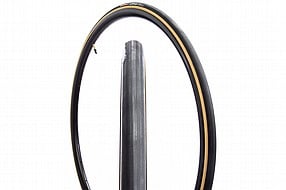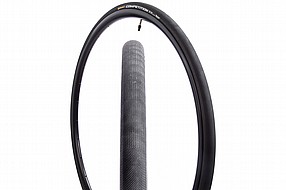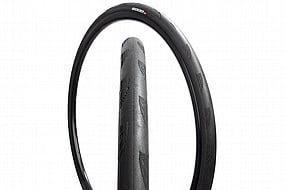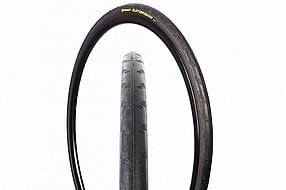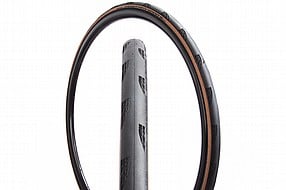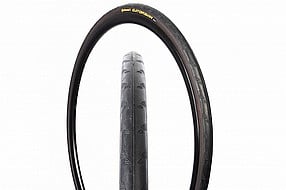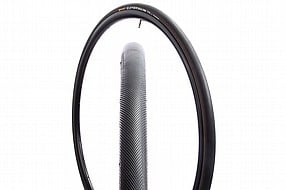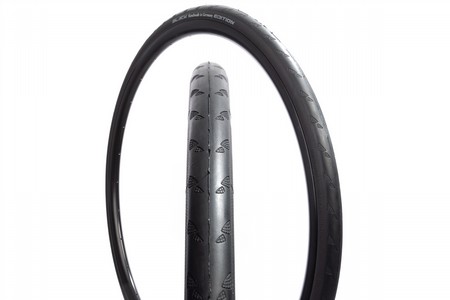

Purchased these Continental Gatorskin 700c Road tires to replace similar ones. I don't race so I am not looking for the lightest tire to minimize weight.
However, my rides may take me 25 miles or more away from home/car so I am focused on tire durability and reliability along with reasonable ride comfort and handling. Having peace of mind that I've minimized the likelihood of getting a puncture is more important than the aspect of pure speed.
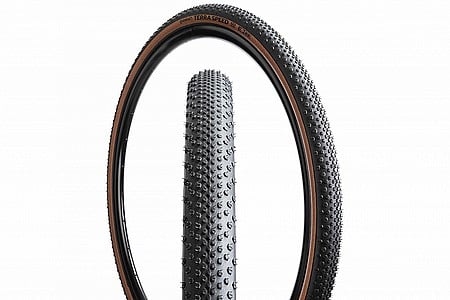
What Impressed Me
Outstanding grip on technical terrain, even in slippery and loose sections
Efficient climbing without excessive rolling resistance
Stayed responsive in extreme cold when many tires harden up
No flats or significant wear despite rough abuse
Consistent performance from mile 5 to mile 40
The Downside
Higher price point, but the performance justifies it.
Verdict: Highly Recommended
Terra Speed tires deliver when conditions get tough. Perfect for serious gravel racing.
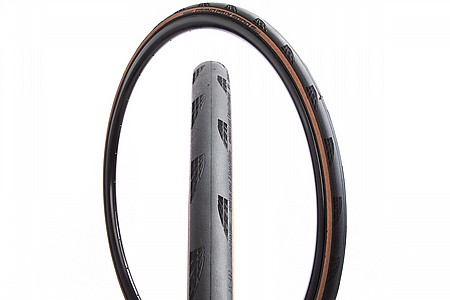

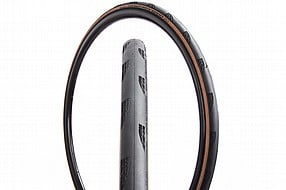
Installed on my Canyon Grizl CF SL 8 with 24mm DT Swiss GT1800 Spline wheels as I wanted a less knobbly option for a long road bikepacking trip. The run at ridiculously low pressures. Over a few hundred miles they've ridden great with no punctures.The tan walls look fantastic. But, oh my goodness, these were a pain to install. My thumbs were aching after levering them on millimeter by millimeter. If I have to pop a tube in on a long ride, I'd be quite worried.
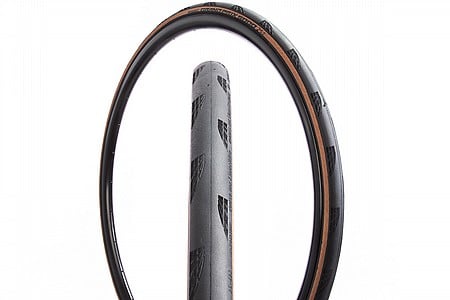
I've been using Conti GP tires since 2012 and have loved them ever since. The roll incrediby fast with some of the best in class rolling resistance ratings. Many folks just think of straight line speed, but these tires definitely improve climbing ability as well. They provide great cornering, giving you all the confidence you need to take those fast tight corners. I have tried a few others, but honestly, I went back to the Contis well before those "other brands" had completed their useful lifespan. Just dont waste time and money on other tires, go with these.